

For those in Fort Myers with an older home, it is worth taking a closer look at one particular type of plumbing material: polybutylene pipe.
Known as PB pipe or polybutylene plumbing, this gray plastic was the go-to choice for residential construction from the late 1970s to the mid-1990s. At the time, it was an appealing substitute for copper: flexible, easy to install, and less expensive.
But polybutylene has a problem. It has a track record of deteriorating and leaking without warning. Having PB pipes in your Florida home doesn’t guarantee an imminent plumbing disaster, but it does warrant due diligence.
What You Need to Know About Polybutylene
During its heyday, millions of homes in the U.S. were built with polybutylene for their water supply systems. The plastic’s lightweight, pliable nature made it much easier to install than traditional materials.
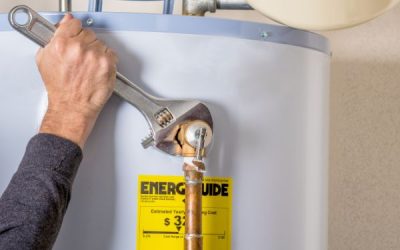
In a typical home, you will find these pipes running to the water heater, washing machine, sinks, toilets, and showers. While they are usually gray, color is not a sure way to tell them apart. Some will have markings for PB or PB2110. If you are in any doubt as to what is in your walls, it’s best to let a professional determine if these pipes are in your plumbing system.
Why Can These Pipes Fail?
The trouble with polybutylene is that it degrades. Treated water and disinfectants like chlorine can take their toll on the inner surface of the pipe, slowly sapping the material of its strength. To the untrained eye, the outside of the pipe may appear fine while it is, in fact, becoming less reliable.
Eventually, the pipe can grow brittle and suffer microscopic damage that leads to cracking or outright failure. The same can be said for fittings and connections as they age. This makes the problem hard to spot. A pipe doesn’t have to show external signs of distress to be at fault.
Failures tend to happen where they are least visible:
- Inside a wall
- Under the flooring
- Near a fitting or the water heater
- In other concealed areas
By the time a homeowner sees extensive water damage, the hidden pipe has already given way.
Why Older Florida Homes Need to Pay Attention
Many homes in Florida were plumbed when polybutylene was standard. The age of the property is something to consider. Whether you are buying an older place in Fort Myers, putting one up for sale, or having an insurance inspection, you are likely to come across PB pipes.
Then there is the matter of the public water supply. Water chemistry varies from one community to the next, and over many years, exposure to treated water is a known factor in the decline of these pipes.
The point is not to suggest that every piece of PB plumbing in a Florida home will fail in unison. Rather, PB is an older material with a history of degradation, and homeowners should know its condition.
How To Tell What Pipes Your Home Has?
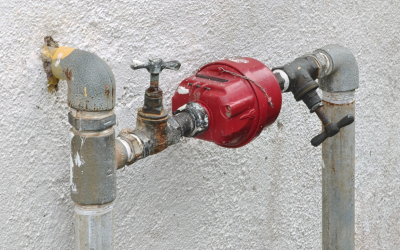
A visual check is a good first step if you think you have polybutylene. Look in the garage or utility room, near the water meter and main shutoff, or under the kitchen and bathroom sinks. You might notice the characteristic gray color and some flexibility, or printed markings on the pipe.
But a visual is only so useful. Much of the plumbing is out of sight behind walls and under floors. You can see one type of pipe in an open area and still have no idea what is being used elsewhere in the system.
This is especially true when purchasing a home with outdated plumbing systems in the state. A thorough plumbing inspection will put things in perspective.
We at Spartan Plumbing & Drains offer professional plumbing inspection services in Fort Myers and across Southwest Florida. We’ll examine everything from the water supply lines to other components of the system to uncover issues that might otherwise go unnoticed.
Signs You May Have a Plumbing Leak
When a polybutylene pipe fails, it isn’t always dramatic. Often the early indications are quite subtle. Things to be on the lookout for include:
- A water bill with unexplained hikes
- Dampness on floors or walls
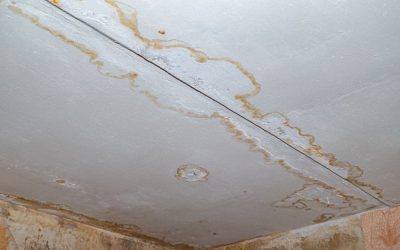
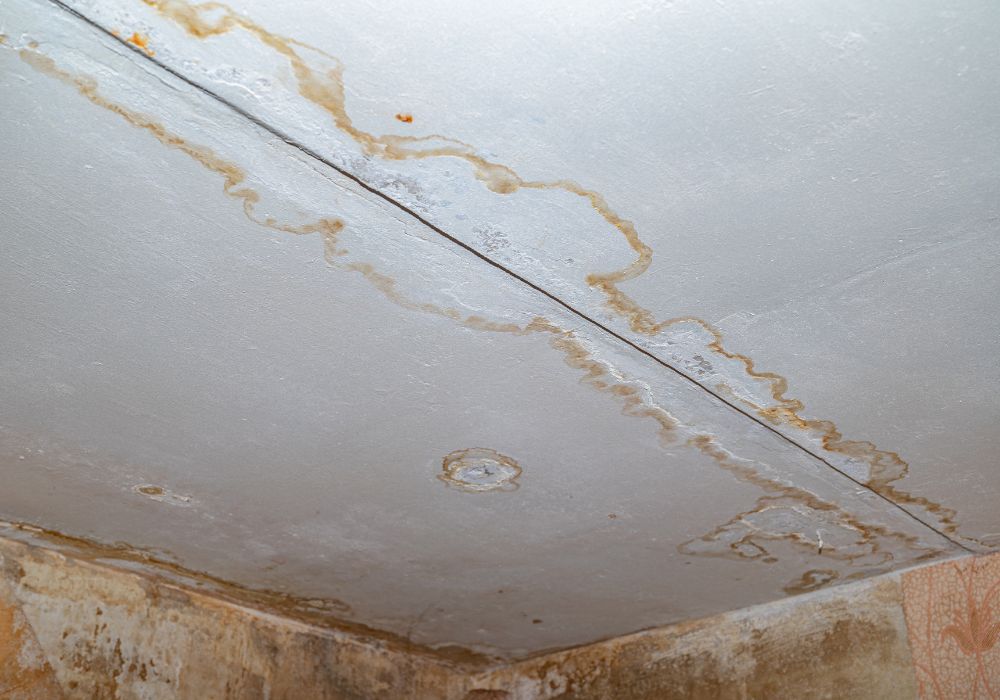
- Stains on the ceiling from water
- Musty smells in the air
- Plumbing that seems to leak more than once
- A drop in water pressure
- The sound of running water from a fixture you have shut off
- Cabinets or baseboards that are swollen
- Wetness near any exposed plumbing
- Cracks or other damage at the fittings
If you suspect a leak is hidden, Spartan’s leak detection services can pinpoint the source rather than rely on an educated guess.
Can Polybutylene Pipe Fittings Fail?
With an older PB system, it is not just the pipe you have to worry about. Fittings and connections are part of the whole, and they can wear down or get damaged too.
Spotting a leak at one fitting doesn’t reveal the full story of the rest of the system. You might replace that fitting and turn the water back on, but if the plumbing in the home is several decades old, it is essential to have the system as a whole checked.
Is Homeowners Insurance an Option With Polybutylene Pipes?
While no blanket rule denies coverage to a Florida home with PB pipes, insurers have their own underwriting standards.
The state of the plumbing can influence an insurer’s decision. You may face conditions such as mandatory inspections or repairs, or limitations on what is covered. Before assuming a home with these pipes will be treated the same as one with newer materials, talk with the insurance company.
Buying a Florida Home With Polybutylene?
An inspector’s report showing polybutylene is not cause to walk away from a property. It is simply an item for further investigation.
Some questions to ask before making a purchase are:
- What is the age and extent of the PB in the home?
- Are the visible pipes and fittings in good order?
- Has any of it been replaced, or is there a history of leaks?
- Will the insurance company write a policy for it?
- How would re-piping factor into the property’s value?
To Replace or Not to Replace?
For homeowners with PB plumbing, this is a big question because of the risk of pipe failure. There is no one-size-fits-all answer in Florida.
Just because a system has not yet leaked does not mean it will fail tomorrow. But then again, sitting around for a pipe to burst is hardly the only way to deal with aging plumbing.
If the home has seen its share of leaks or the PB is starting to show its age, a conversation with a qualified contractor about re-piping is in order.
What Happens During a Whole-Home Re-Pipe?
In short, re-piping is replacing an existing system, in part or in whole, with new materials. How it is done depends on the home’s construction and the materials chosen for the job. What does a project of this nature usually entail? You can expect the following:
- An inspection of the current plumbing
- Identifying pipes that are due for replacement
- Laying out new water supply lines
- Choosing the right modern materials
- The installation work itself must consider the type of plastic used in the plumbing system.
- Testing the plumbing system once it is in place can help identify potential issues, such as corrosion.
As for materials, contemporary options like PEX or copper are available; the right choice depends on the home, its application, local codes, and the contractor’s advice.
Spartan Plumbing & Drains offers re-piping services in Southwest Florida.Should you have any doubts about whether your home has these pipes, or if unexplained leaks are a concern, we’re here to assist.