

You turn on the shower for a hot wash and are met with an odd hum from the water heater. It is enough to make one question if this is normal or if you are in need of a new unit or some water heater repair.
Fortunately, a humming sound is not necessarily a sign of impending failure. But then again, any noise out of the ordinary from your water heater is worth paying attention to.
For those in Fort Myers and the rest of Southwest Florida, we find that routine maintenance is the best way to put an end to issues like sediment and mineral deposits before they turn into something more serious.
What is causing the hum?
There are several reasons a water heater might be making noise. It could be a component vibrating, a heating element at work, or simply water passing through a valve. With a conventional tank, sediment on the bottom is often to blame. An electric model may hum due to buildup on the heating element, while a gas unit will have its own set of sounds tied to the burner, the gas line or the control valve.
Don’t assume the water heater is the culprit in every case; a plumbing connection or valve in close proximity can vibrate and give the impression the heater is the source.
Sediment in the Tank
Sediment is the usual suspect for strange noises. In a traditional tank, minerals in the water will eventually settle. Once the burner or element is engaged, the heat makes the water around that sediment vibrate, resulting in a hum, pop or rumble.
This is more than an annoyance. A thick layer of sediment at the bottom forces the system to labor to get the water hot, reducing efficiency. Flushing the tank as part of regular upkeep will remedy the noise and keep things running well.
Vibrating Heating Elements
With an electric water heater, look to the elements. Mineral deposits can form around them and create a buzz as the water is heated. You may notice the sound coincides with the element turning on and ceases once the desired temperature is reached.
Given the electrical nature of the appliance, it is not advisable to take off the covers and try to fix the element on your own. Let a licensed plumber have a look and decide if the part requires cleaning or replacement.
Restricted Valves
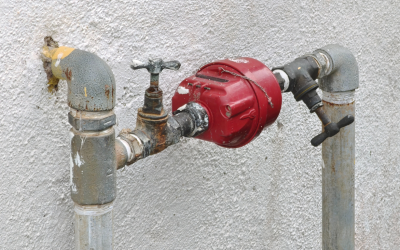
A valve that is only partly open can force water through in a way that causes vibration and humming. A visual inspection of the valves surrounding the unit will tell you if one is partially closed. You can see if it is fully open provided it is safe, but do not put force to a valve that is corroded or stuck. An old one can break and start to leak without warning. Leave the inlet control valve and other components to a professional to handle.
Pressure and Plumbing
Unusual sounds can also stem from pressure fluctuations in the tank or the home’s water system. The noise may in fact be emanating from a loose connection or water line nearby. Take note of when the humming happens – if it is when a toilet is flushed or an appliance is in use, it gives a plumber a better idea of whether the problem lies with the heater or elsewhere in the plumbing.
In some instances a water hammer arrestor is called for, though the right fix is dictated by where the noise is coming from.
Is a loud hum something to worry about?
Not necessarily. Some quiet humming during operation is nothing to be alarmed over. Then there is the matter of a loud, sudden hum. That kind of noise warrants some attention, particularly if it seems to be growing in volume or frequency.
Keep an eye out for any of the following:
- Water that is not as hot as it should be
- Leaks or drips in the vicinity of the unit
- Any buzzing, screeching, rumbling or popping
- Temperature fluctuations
- Unusual cycling
- A burning or odd smell
- Visible wear and tear
Should you encounter a heavy leak, detect gas or have reason to believe there is an electrical fault, do not try to open the water heater. Turn off the supply if it can be done with safety and put in a call to a professional.
What the Noises Mean
With a conventional tank model, the water is stored and heated within the tank, making sediment and mineral accumulation a routine maintenance item. Tankless units operate differently, heating water on the fly rather than holding a large reserve, but they are no less prone to scale and will at times need to be professionally descaled.
The sounds your water heater makes can be telling:
- A hum: This could be down to vibration from a valve or heating part, or even the flow of water and sediment.
- Buzzing: An indication of vibration or an electrical part that requires a closer look.
- Screeching: You may hear this when water is being pushed through a constricted opening.
- Popping or rumbling: In a tank system, this is usually a sign of sediment.
Still, one cannot always put a name to the problem by ear. An inspection is the only sure way to know.
Is Hard Water to Blame?
Hard water has its share of dissolved minerals which, over time, will leave their mark on plumbing fixtures and the interior of a water tank in the form of deposits. If this is a persistent issue in the home, a softener can go a long way in curbing that buildup. For those in Southwest Florida, Spartan Plumbing provides installation and filtration services for water softeners.
Dealing with the Hum
Stopping the noise is a matter of addressing the source. A tank full of sediment calls for a flush; a heating element with buildup must be cleaned or put in with a new one. There may be a valve that is loose or restricted and in need of adjustment. Should the culprit be plumbing vibration, a plumber can examine the line and pressure and fit a water hammer arrestor if necessary.
It is unwise to overlook a new sound just because the water is still coming out hot. Early intervention is better for the longevity of the unit and will spare you from an unforeseen breakdown.
When to call the professionals
While some upkeep is simple, matters involving gas, electricity or pressure are best in the hands of a licensed plumber. A pro will check the burner, the valves, the relief valve and all connections to see what is amiss.
In the case of a unit that is badly corroded or on its last legs, it might be wiser to replace it than to keep putting money into an old system. The technician can walk you through the comparison and, if a new water heater is called for, make sure it is plumbed and connected properly.
For residents of Fort Myers, Cape Coral, Estero, Bonita Springs and the rest of Southwest Florida, Spartan Plumbing & Drains is on hand for all manner of repair, maintenance and installation work.
Smooth Operation
You would expect your water heater to deliver hot water without requiring constant oversight. A new humming noise is no cause for alarm, but neither should it be dismissed. Whether it is the burner, a valve or something else in the plumbing, getting to the root of it early prevents a minor thing from turning into a major repair.
Spartan Plumbing & Drains will put your system through an inspection and advise on the best course of action. To get some professional help with your hot water system in Fort Myers, give us a call.
![My Water Heater Is Making a Humming Noise (At My Fort Myers Condo)! [Solved]](https://spartanplumbing.us/wp-content/uploads/2025/07/waterheater1-400x250.jpg)